Contact us
 Visit CPRE.org
 Donate
Joined-up approach needed to tackle multiple threats facing the countryside
CPRE Sussex column written for West Sussex Gazette, September 2026
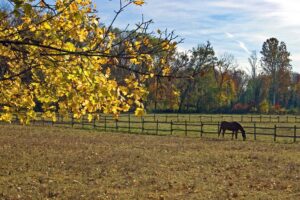
The weather might be turning more autumnal, but this summer was one of the hottest and driest on record.
At CPRE Sussex we watched in dismay as fields turned to tinder and precious habitats were destroyed.
The extreme heat was a reminder of the need for a joined-up approach to tackle the multiple threats facing the countryside.
Yet, Government policy remains disjointed.
Take, for example, the National Planning Policy Framework (NPPF).
Throughout the summer, we called for urgent changes to this document which risked causing irrevocable damage to green spaces.
In late August, the Government published an updated version of the NPPF.
Sadly, it lacked desperately-needed improvements.
First, it failed to strengthen planning controls relating to water, sewage treatment capacity, or wastewater infrastructure.
Second, it still lacked serious consideration of climate change mitigation.
Third, it continued to undermine the countryside with no clear protections for valued landscapes outside nationally designated areas.
Fourth, the revised document risks stripping away local democracy with national policies which leave communities powerless.
The only area with marginal improvements was affordable housing and social rent.
However, there are still no national requirements for a specific percentage of affordable or social rent housing.
This means delivery remains dependent on local plans and negotiations at a time when Sussex is in desperate need of more genuinely affordable housing.
Sadly, the NPPF is not the only area where national policy seems to be out of touch with the threats facing the countryside.
Water companies should take part in public examinations of local plans to allow much-needed scrutiny of their role and responsibilities.
But, in July, the Government rejected a call for water companies to be statutory consultees on all major planning works.
There is an assumption that safe drinking water will always be provided.
But, with high temperatures and drought becoming the norm, the presumption that potable water can always be provided is foolish and unsustainable.
Another example of the disconnect between reality and policy comes from aviation.
Earlier this month, we joined 22 organisations in signing an open letter to prime minister Andy Burnam over aviation appeal rights.
The letter, hand-delivered to 10 Downing Street, warned proposed aviation reforms could remove residents’ access to an independent review of airspace change decisions.
We believe Sussex residents must have a clear and accessible way of standing up for their skies and communities via an independent ombudsman.
The three policy areas I have highlighted in this column share common themes.
Local voices are ignored, companies are not being held to account, and it is the Sussex countryside and its communities which suffer.
Housing, transport, water and conservation issues should not be viewed in isolation.
Instead, we should be working together across all these areas to shape a greener, healthier and more sustainable future for Sussex.
If you are interested in finding out more about our work shaping a greener future for Sussex visit cpresussex.org.uk/get-involved/